Understanding PAS128 Utility Surveys
This blog explores why PAS128 utility surveys are becoming essential for safe excavation and infrastructure projects. It looks at how accurate underground utility detection helps reduce service strikes, improve project planning, and minimise risk before work begins on site, especially in congested utility environments.
SURVEYS
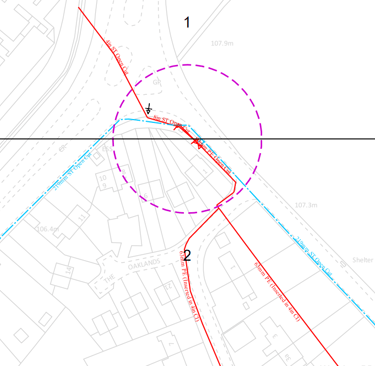
Why PAS128 Surveys Matter More Than Ever on Utility Projects
One of the biggest risks on any excavation project is hitting something underground that nobody expected to be there.
And it happens more often than people think.
Every year, utility strikes cause injuries, service outages, delays, damaged equipment, and a lot of avoidable cost. In many cases, the issue starts long before the excavation itself — the information being used simply isn’t accurate enough.
Old utility drawings, missing records, and undocumented changes over the years can all create problems once work starts on site.
That’s why PAS128 surveys have become such an important part of modern utility and infrastructure projects.
At INFINITY Eng, we know how important good underground information is before any excavation begins. The better the understanding of what’s below ground, the safer and smoother the project usually runs.
So, What Is PAS128?
PAS128 is the UK standard for underground utility detection and mapping.
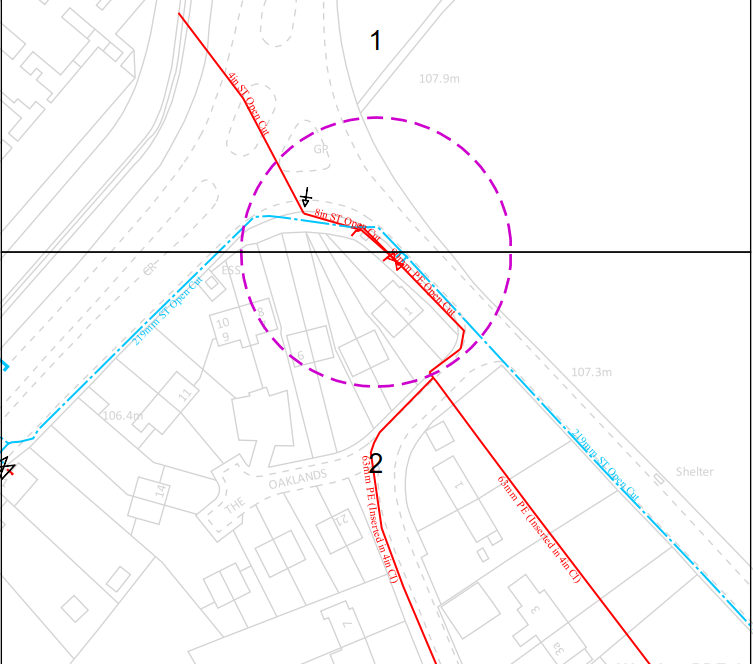
In simple terms, it’s a more structured and reliable way of locating underground services before digging starts. Rather than relying purely on old records or assumptions, PAS128 surveys use specialist detection methods to physically identify and map utilities beneath the surface.
Depending on the site, surveys can involve:
Electromagnetic locating
Ground penetrating radar (GPR)
Utility tracing
GPS mapping
Topographical surveys
Verification of existing utility data
The aim is to give project teams a clearer picture of what’s actually underground before excavators arrive on site.
Why It Makes Such a Difference
Anyone who works in utilities or civil engineering knows that underground infrastructure can be unpredictable, especially in built-up areas.
You can start a project thinking you understand the services in the ground, then quickly realise there’s far more congestion than expected. Old assets, diverted services, abandoned infrastructure — it all adds complexity.
That uncertainty creates risk.
Good utility surveys help reduce:
Service strikes
Unexpected obstructions
Delays during excavation
Redesign costs
Safety risks for site teams
But they also help projects run more efficiently overall.
With better underground information, teams can plan excavations properly, sequence works more effectively, and reduce surprises once construction begins.
Utility Drawings Only Tell Part of the Story
One mistake still made on some projects is relying too heavily on existing utility plans.
The problem is that drawings aren’t always fully accurate or up to date. Services may have been altered years ago, installed differently to the records, or never recorded properly in the first place.
That’s why HSG47 makes it clear that utility records should never be relied upon on their own.
PAS128 surveys add another layer of confidence because they involve physically detecting and verifying what’s actually in the ground.
Combining existing records with modern utility detection methods creates a much safer approach to excavation planning.
Congested Infrastructure Is Becoming a Bigger Challenge
In many towns and cities across the UK, underground infrastructure is becoming increasingly crowded.
Gas, water, electric, telecoms, fibre, drainage — all competing for limited space underground. On older utility networks especially, conditions below ground can be far more complicated than expected.
Because of that, proper utility surveying is becoming less of an optional extra and more of a standard part of safe project planning.
How INFINITY Eng Supports Excavation Projects
At INFINITY Eng, we support utility and infrastructure projects with practical engineering input before excavation work begins.
That includes:
Reviewing utility information
Supporting PAS128 planning
Developing excavation strategies
Producing risk assessments
Supporting safe dig methodologies
Providing temporary works input
Our focus is always on helping projects reduce risk early, before issues develop on site.
Final Thoughts
Excavation projects are always safer when teams have a better understanding of what’s underground before work starts.
PAS128 surveys help reduce uncertainty, improve planning, and lower the chances of costly or dangerous utility strikes during construction.
As utility infrastructure becomes more congested and projects become more complex, reliable underground information is becoming increasingly important across the industry.
If your project involves excavation near underground services, INFINITY Eng can support planning, utility coordination, and engineering risk management before work begins on site.
Any Questions?
sales@infinityeng.co.uk